
Dust tends to settle quietly in the background, building up in places most homeowners rarely check. Even when surfaces look clean, fine particles may already be circulating through the air.
Over time, this hidden buildup can change how a home feels from room to room. Recognizing where it starts and how it spreads helps homeowners stay ahead of it.
Why Dust Affects Comfort and Air Quality
Dust is more than just something that collects on shelves. It moves through the air and settles repeatedly, influencing how fresh a home feels day to day.
When buildup increases, it can make spaces feel heavier and less comfortable, especially in rooms that are used often.
How Dust Changes Indoor Environments
As dust accumulates, homeowners may notice:
- Air feeling slightly stale or dry
- Surfaces losing their clean appearance quickly
- Particles visible in sunlight
- Rooms feeling less refreshed after cleaning
- Increased irritation for sensitive individuals
These changes often develop gradually, making them easy to overlook at first.
Where Hidden Dust Builds Up Most
Dust doesn’t settle evenly across a home. It tends to collect in areas affected by airflow, movement, and surfaces that are not cleaned regularly.
These hidden spots allow buildup to grow without being noticed during quick cleaning routines.
Common Overlooked Areas
Some of the most common places include:
- Upper corners of rooms and ceilings
- Behind and underneath furniture
- Air vents and return grilles
- Window coverings like blinds and curtains
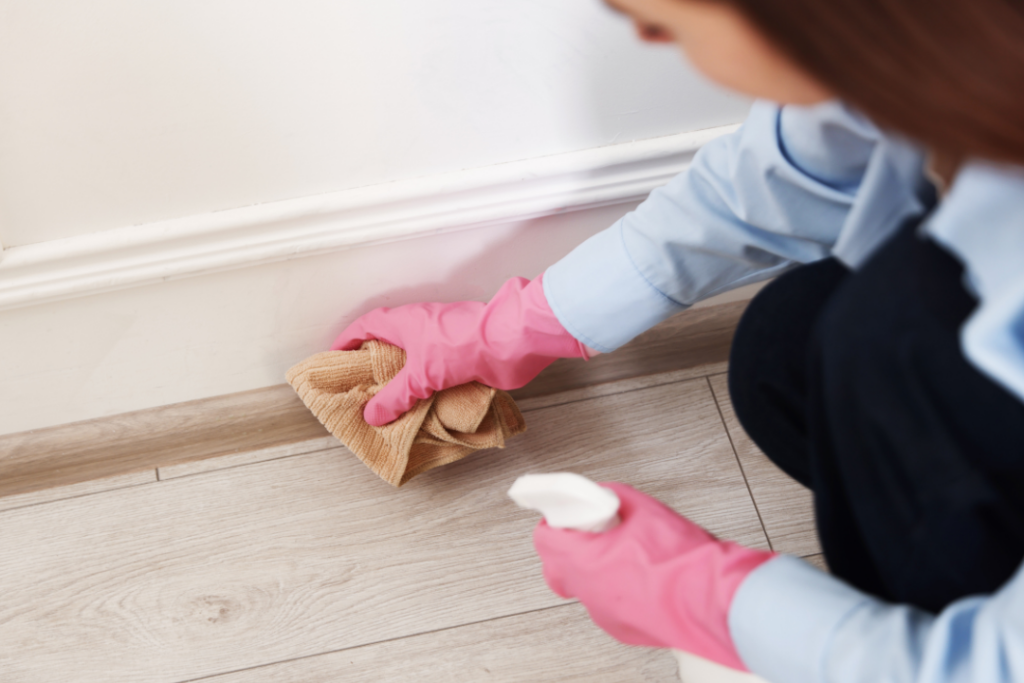
- Baseboards and trim edges
Focusing on these areas periodically helps prevent dust from spreading further.
Tools and Methods That Make Cleaning Easier
The way dust is removed matters just as much as how often cleaning happens. Using the right tools helps capture particles instead of pushing them into the air.
A more thoughtful approach can reduce how often dust returns.
Effective Cleaning Approaches
Helpful methods include:
- Using microfiber cloths that trap fine particles
- Dusting from higher surfaces downward
- Vacuuming with attachments for tight spaces
- Cleaning vents to reduce airflow buildup
- Working slowly to avoid stirring dust into the air
When buildup extends into less visible areas, some homeowners look into a more thorough deep cleaning process for hard-to-reach spots to restore balance throughout the space.
Long-Term Habits That Reduce Dust Buildup
Consistent habits play a major role in keeping dust manageable. Small actions performed regularly help limit how much dust accumulates between cleanings.
These habits reduce the need for constant deep effort.
Everyday Maintenance Habits
Homeowners often rely on:
- Removing shoes before entering living spaces
- Washing bedding and fabrics regularly
- Keeping surfaces clear of excess items
- Maintaining airflow systems and vents
- Rotating attention to less visible areas
Over time, these habits create a more stable and comfortable environment.
How Regular Routines Prevent Larger Issues
Without a consistent routine, dust can spread faster than it is removed. This leads to buildup in both visible and hidden areas.
A structured approach keeps dust from becoming overwhelming.
Building a Simple Routine
A practical routine might include:
- Assigning specific areas to clean each week
- Checking high surfaces on a rotating basis
- Combining light daily upkeep with deeper periodic attention
- Keeping track of areas that are often missed
Consistency helps maintain balance without requiring excessive time or effort.
Frequently Asked Questions
Why does dust keep coming back after cleaning?
Dust particles are constantly moving through indoor air, so they settle again soon after surfaces are cleaned.
Are hidden areas really that important to clean?
Yes, buildup in hidden areas can spread to visible surfaces and affect overall comfort.
Does airflow affect dust levels in a home?
Yes, air circulation can move dust between rooms and contribute to buildup in certain areas.
Can the wrong tools make dust worse?
Yes, some tools push particles into the air instead of capturing them effectively.
How often should high surfaces be cleaned?
They should be checked regularly as part of a rotating cleaning routine.
Does clutter increase dust buildup?
Clutter creates more surfaces where dust can settle and makes cleaning less effective.
Why do some rooms feel dustier than others?
Rooms with more activity or airflow tend to collect dust more quickly.
Is it better to clean slowly or quickly?
Cleaning slowly and methodically helps prevent dust from spreading into the air.
Conclusion
Hidden dust buildup affects how a home feels more than most homeowners realize. By understanding where it collects and maintaining simple, consistent habits, it becomes easier to keep spaces feeling fresh and comfortable. Wall 2 Wall Home Cleaning shares helpful information to support homeowners in managing everyday dust and maintaining a balanced living environment.
Quote Form (Popup)
